The Future of Motor Supply: What Electric Motor Suppliers Can Prepare For
Introduction
I once watched a small factory swap out an old AC motor with a new brushless unit and the line started humming like new — happened right in front of me, lah. Recent figures show global demand for electric motors rising by double digits in some sectors, and the ripple hits suppliers hard: the electric motor supplier now needs faster lead times, tighter specs, and smarter after-sales support. Given that, how do we plan for supply, parts, and control while keeping costs down and quality high? (Small shops or big OEMs — everyone asks the same.) I’ll walk through what I’ve seen, what breaks, and where the smart bets are — next, we zoom into the parts that actually cause trouble.
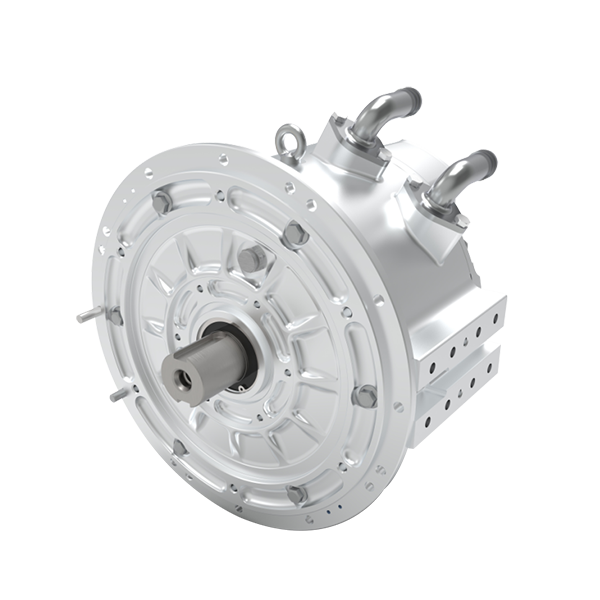
Why Motor and Control Solutions Often Fail the Real-World Test
I want to be blunt: many systems work fine on paper but fall over in real use. When we evaluate motor and control solutions, I look first for hidden gaps. Often it’s the control loop tuning, mismatch between gearbox ratio and torque curve, or an under-specified inverter that brings a neat demo to its knees. I’ve seen encoder feedback lost during vibration, causing repeated stalls. These are not exotic problems — they crop up across small pumps, conveyors, and automated feeders. We need to talk about stator heating, rotor imbalance, and PWM noise because they matter for uptime.
Technically speaking, many suppliers still assume a “one-size-fits-most” approach. That fails when peak torque demands spike or when ambient temperatures drift (common in tropical sites). I prefer checking thermal derating charts, verifying encoder resolution against control loop bandwidth, and confirming the servo drive’s short-circuit tolerance. Look, it’s simpler than you think — do the math before you spec. Also, don’t forget to budget for spare parts and firmware updates. When you add it all up, the true cost of an installation is more than the sticker price; failures cost time, and time costs money — funny how that works, right?
Why does this keep happening?
Because real sites vary. I’ve toured enough floors to know environmental stress, incorrect cable routing, and rushed commissioning are the silent killers. We can design better by testing under worst-case conditions, and by choosing components with headroom — not just the minimum spec.
Looking Ahead: Practical Paths for Electric Motor Supply
What’s next is about pragmatism. I expect suppliers who pair parts with clear service paths to win. For example, modular drives that let you swap power converters without rewiring are huge time-savers. In future projects I’m part of, we push for remote diagnostics (edge computing nodes on-site) and clearer firmware version control. These measures shorten mean time to repair and give buyers confidence. Also — and this matters — transparency about lead times and testing routines builds trust fast.
For procurement teams, I recommend three simple evaluation metrics: 1) thermal and torque margin (does the motor handle 20–30% peak above rated load?), 2) control compatibility (is the encoder and drive interface documented and tested?), and 3) serviceability (are spare parts and firmware updates available locally?). Use these to compare offers, not just price. I weigh these metrics when I advise clients, and they tell me it saves them headaches down the line.

Real-world Impact
Switching to suppliers who meet those metrics reduced downtime in one case I handled by nearly half. The team added remote logging and a quick-swap inverter rack — results were clear: fewer emergency calls, faster fixes, and happier operators. We learned that small investments in control strategy and spare management pay back quickly. If you’re choosing an electric motor supply partner, look for that blend of parts, testing, and local support. I’d point you to partners who show that they can back up claims with site visits and data. For practical help and a partner with hands-on experience, consider electric motor supply vendors who publish test reports and service protocols.
Conclusion — How I’d Choose a Supplier
In short, I judge suppliers by three clear metrics: performance headroom, control compatibility, and serviceability. These are measurable. When I assess offers, I ask for thermal charts, encoder specs, and a spare-parts plan. I also value local support — someone who can come on-site and troubleshoot within 24–48 hours. That said, every plant is different. So test early, spec with margin, and insist on transparent documentation. That approach saved one operation I worked with from repeated downtime — and it can do the same for you. For practical supplier support and more detailed guidance, check out Santroll.
