7 Things I Wish I Knew Before Choosing a Laser Cutter Fume System
Introduction — a small scene that turned grim
I remember the first time I ran a long cut on acrylic in a shared shop: the room fogged up, eyes watered, and someone joked, “It smells like a chemistry lab.” Studies show small shops that neglect extraction can see PM2.5 spike within minutes. In that second sentence I thought about the laser cutter fume extractor we didn’t have—how a missing piece of kit can make good work unsafe. (Dust, VOCs, and the ghost of bad ventilation.) How did we let a simple omission create so much risk — and what should we really expect from a system that promises to keep the air clean? That’s where I want to lead you next: into what typically goes wrong and why the obvious fixes often fail.
Part 2 — Why common solutions break down (technical perspective)
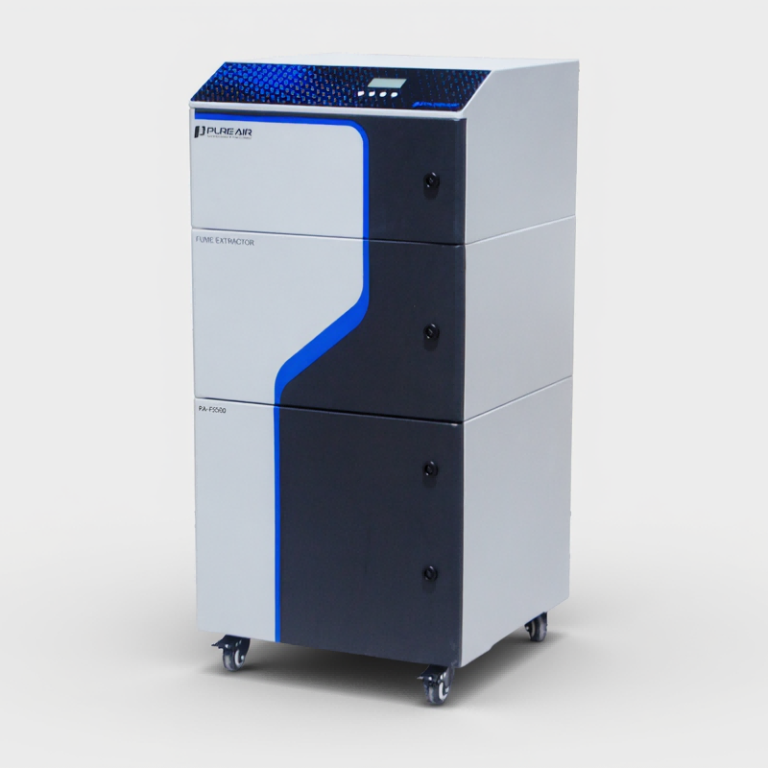
laser cutter dust collector is the label most vendors use, but the name masks key engineering gaps. I’ve tested setups where a so-called “industrial” extractor used an undersized inline fan and a clogged HEPA filter; the unit ran, but capture at the nozzle was poor. The result: fumes and ultrafine particulates escaped into the room. From a technical angle the main culprits are poor capture velocity, bad ducting layout, and mismatched filtration capacity. If the airflow rate doesn’t match the cut size and distance, nothing else matters. We also saw activated carbon beds that were too thin for solvent loads—so VOCs passed through. Look, it’s simpler than you think when you break it down to numbers: CFM, static pressure, and filter surface area.
How often does “good enough” mean dangerous?
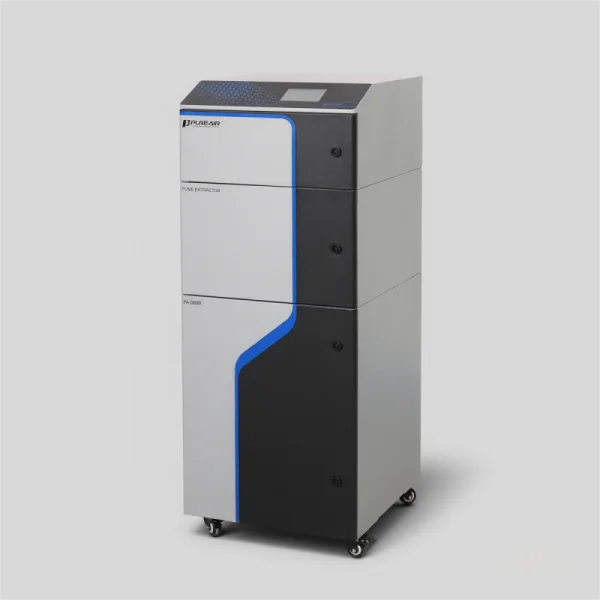
Many makers assume plug-and-play extractors will solve everything. In practice, user habits—like leaving the lid open or using long flexible hose runs—increase system losses. I found that flexible ducting adds turbulence, which lowers effective suction at the nozzle, and cheap pre-filters saturate fast with particulates from metals and composites. Those problems are subtle; you don’t always notice the drop until you check with a particle counter or smell chemical carryover. My view: address capture first, filtration second. If you don’t, you’re just moving contaminants around.
Part 3 — Case example and a look ahead
Recently I followed a small fabrication shop that upgraded from a box fan to a proper laser cutter dust collector. They reworked ducting to minimize bends, specified a higher static-pressure fan, and installed a staged filter train (pre-filter → HEPA → activated carbon). The immediate impact: clearer air, fewer complaints, and less downtime for filter swaps. Over months they also tracked lower particulate counts near workstations—proof that engineering choices matter. The case shows how modest investments in design and monitoring can change outcomes. — funny how that works, right?
Real-world impact — what’s next?
Looking forward, I expect advances in sensor integration and smarter fan control to make these systems more efficient (and quieter). Edge sensing—local particle monitors tied to variable-speed drives—lets a system breathe only as hard as it needs to. For shops wanting to plan: think modular filtration, validated capture velocity, and easy access for maintenance. I advise using objective metrics when you compare options. Here are three I always use: 1) Capture velocity at the nozzle (ft/min), 2) Total system CFM vs. static pressure curve, and 3) Filter efficiency for PM2.5 and VOC breakthrough time. We weigh those figures, plus serviceability, before deciding. In the end I still prefer solutions that are practical, not just shiny—so check those numbers and check them again. PURE-AIR
