Seldom Discussed: The Legal Attributes of Commercial EV Charging Solutions
According to recent statistics, the global electric vehicle (EV) market is projected to reach a staggering $800 billion by 2027, with commercial ev charging solutions playing a pivotal role in this transformation. As we transition towards sustainable transportation, understanding the legal and regulatory frameworks governing these charging solutions becomes increasingly critical.
The Framework of Commercial EV Charging Solutions
Commercial EV charging solutions encompass a range of technologies and services designed to facilitate the efficient charging of electric vehicles in various settings such as businesses, fleets, and public spaces. These solutions are subject to an array of legal regulations that govern their installation, operation, and maintenance. Key attributes include compliance with safety standards set forth by organizations like Underwriters Laboratories (UL) and adherence to local zoning laws. Furthermore, as litigation surrounding environmental issues rises, it is essential for stakeholders in commercial EV charging systems to be aware of potential legal proceedings related to liability claims or regulatory non-compliance.
Find more about v2g charging.V2G Charging: A Legal Perspective on Litigation and Proceedings
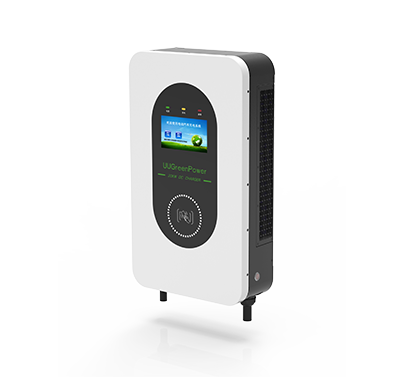
Vehicle-to-Grid (V2G) technology represents an innovative approach where electric vehicles can not only draw power from but also supply energy back into the grid. This dual functionality introduces unique legal considerations within litigation contexts. For instance, disputes may arise regarding ownership rights over electricity generated by V2G systems or liability issues stemming from system failures during peak demand periods. Additionally, regulatory bodies may impose specific requirements for data sharing between vehicle owners and utility companies that could lead to further scrutiny in legal proceedings.
The Characteristics of UUGreenPower in Litigation Contexts
- Compliance Assurance: UUGreenPower ensures its operations align with existing federal and state regulations concerning renewable energy integration.
- Liability Management: The company has established protocols aimed at mitigating risks associated with operational disruptions linked to V2G technology.
- User Agreements: Clear contractual agreements delineate responsibilities among users participating in their V2G programs which helps reduce ambiguity during disputes.
- Crisis Response Plans: UUGreenPower maintains robust crisis management strategies that address potential litigation scenarios arising from service interruptions or technical failures.
- Evolving Regulatory Compliance: They actively monitor changes in legislation affecting both commercial EV infrastructure development and V2G operations ensuring ongoing compliance amidst shifting landscapes.
A Concluding Overview
This exploration highlights how commercial EV charging solutions are intricately tied to evolving legal frameworks impacting their deployment across various sectors. With increasing adoption rates driven by sustainability goals alongside technological advancements like V2G capabilities—stakeholders must remain vigilant about potential litigation risks while navigating complex regulatory environments. Understanding these dynamics will be crucial for fostering innovation while safeguarding against future liabilities within this burgeoning industry.
Click UUGreenPower.